September 24, 2026
Dead and dying trees can become significant hazards when they are left standing on a property. Although trees provide shade, beauty, wildlife habitat, and other benefits, declining trees can eventually lose branches or fall unexpectedly. These problems can put people, buildings, vehicles, and other landscaping features at risk. Recognizing the signs of a declining tree and addressing problems promptly can help homeowners maintain a safer and healthier property.
Why Is It Necessary to Remove Dead and Dying Trees?
Dead and dying trees can become increasingly unstable as their structural integrity deteriorates. Large branches may break during strong winds, heavy rain, or snowfall, while a severely weakened trunk may eventually fail. Even a tree that appears relatively stable can present a hazard if decay has compromised its interior.
Dead trees can also attract insects and other organisms that feed on decaying wood. While these organisms are a natural part of the decomposition process, certain pest infestations can create additional concerns when a declining tree is close to healthy trees or structures. Removing a hazardous tree can help prevent problems from spreading throughout the property.
According to Market Growth Reports, tree care programs removed approximately 480,000 hazardous trees in 2023. This illustrates the scale at which hazardous trees are being addressed and highlights the importance of identifying trees that could pose safety concerns.
Tree removal may be particularly important when a dead or dying tree is located near a house, garage, driveway, power lines, or areas where people regularly spend time. Waiting until a tree falls can result in substantially greater damage than addressing the problem while it can still be safely managed.
What Are the Benefits of Tree Removal for Maintaining Property Health?
Removing a dead or dying tree can improve safety while making it easier to maintain the surrounding property. Once a hazardous tree is gone, homeowners no longer have to contend with the possibility of falling branches damaging structures, vehicles, fences, or other landscaping.
Tree removal can also create opportunities for healthier vegetation. A severely declining tree may compete with nearby plants for sunlight, water, and nutrients without providing the same benefits as a healthy specimen. Removing it can give surrounding plants more room to grow and allow homeowners to reconsider how the area is landscaped.
Another benefit is improved property appearance. A dead tree can make an otherwise well-maintained yard look neglected. Removing it and cleaning up the resulting debris can create a more orderly appearance while allowing homeowners to replace the tree with a healthy species that is better suited to the location.
However, not every dead tree needs to be removed simply because it is dead. Trees in appropriate locations can provide valuable habitat for birds, insects, and other wildlife. A qualified tree professional can assess whether a tree is hazardous or whether it can safely remain as a standing snag.
How Can You Identify When a Tree Is Dead or Dying?
Knowing the warning signs can help homeowners recognize when a tree deserves closer attention. One of the most obvious indicators is a lack of leaves during a period when the tree would normally be producing them. Sparse foliage, dead branches, peeling bark, and extensive cracks can also indicate declining health.
The condition of the branches can provide additional clues. Dead branches may be brittle and lack buds, while significant amounts of broken or hanging limbs can indicate structural problems. Mushrooms or fungal growth around the base of a tree may also indicate decay, although their presence does not necessarily mean that the entire tree is unsafe.
Changes in the trunk and root area deserve attention as well. Cavities, extensive cracks, leaning, exposed roots, and areas of soft or decaying wood can all warrant professional evaluation. A sudden change in a tree's condition after severe weather should also prompt an inspection.
Homeowners should avoid assuming that a tree is safe simply because it has survived previous storms. Internal decay may not be visible from the outside, and structural problems can progress over time. When there is uncertainty, professional assessment can determine whether tree removal is appropriate.
What Tree Removal Methods Are Available?
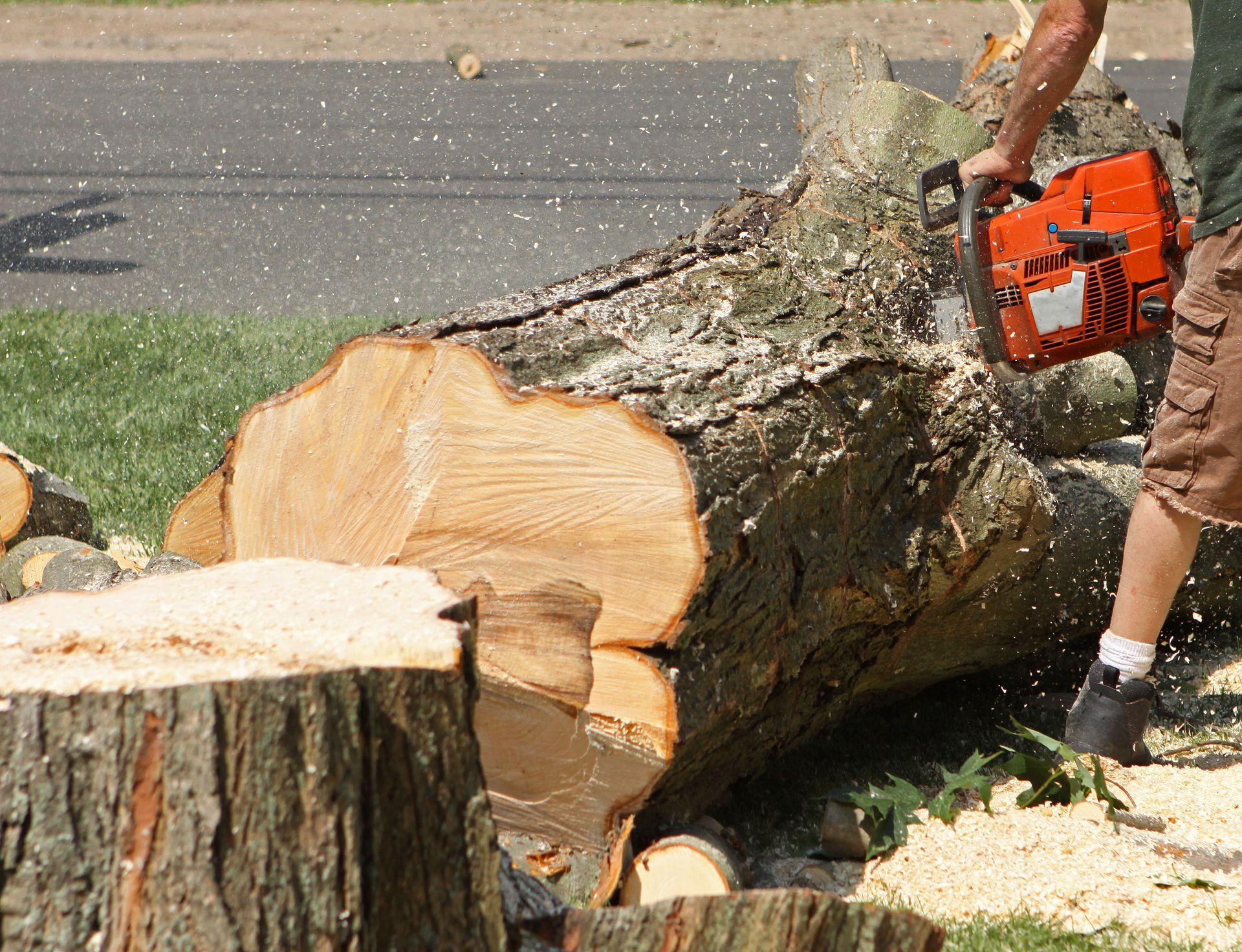
The appropriate method depends on the tree's size, condition, location, surrounding structures, and accessibility. In an open area, a tree may sometimes be removed by carefully cutting it into sections or controlling its fall. Trees located close to buildings or utility lines typically require more controlled techniques.
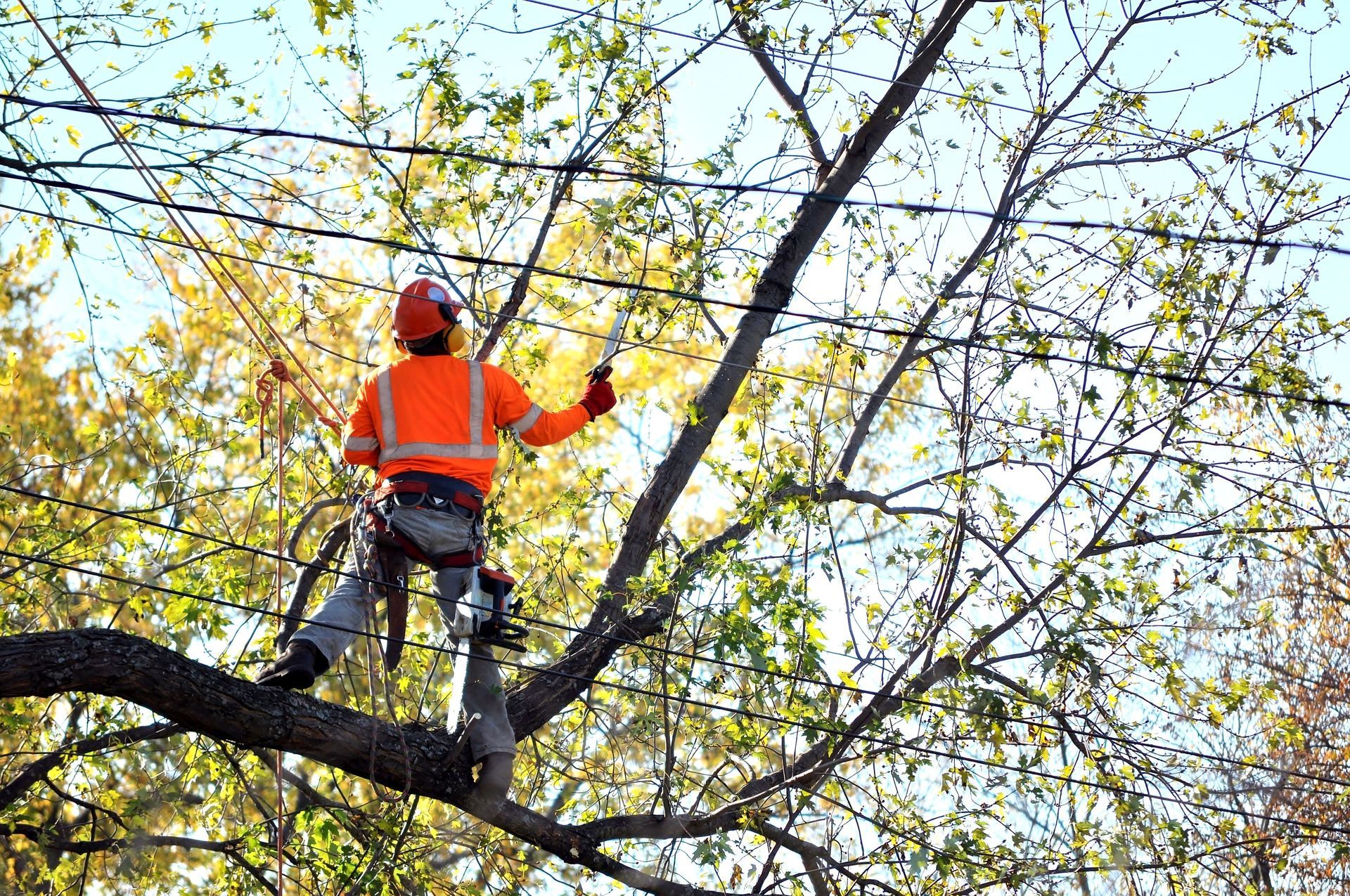
Professional crews may use ropes, rigging equipment, lifts, or other specialized machinery to lower branches and sections of the tree safely. In some situations, a crane may be necessary when a large tree is located in a difficult or restricted area. Once the tree is down, the remaining stump can also be removed or ground below the surrounding grade.
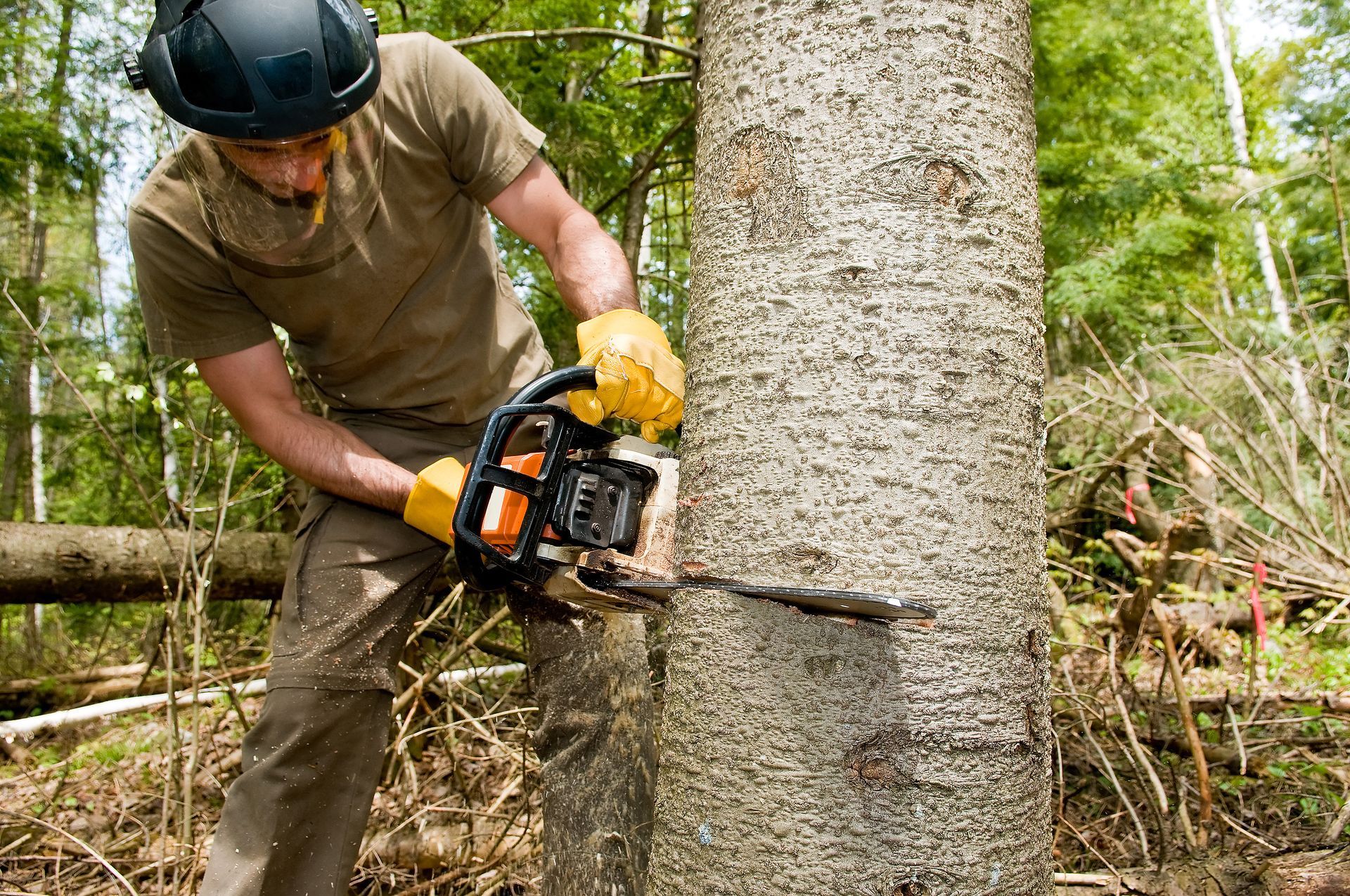
Homeowners should generally avoid attempting tree removal themselves, particularly when dealing with large, dead, damaged, or leaning trees. Dead wood can be unpredictable, and branches can break or shift unexpectedly during cutting. Working near power lines creates additional dangers, while operating chainsaws and climbing equipment requires appropriate training and safety procedures.
Even a seemingly straightforward tree removal project can involve significant risks. Professional tree services have the equipment and experience needed to assess hazards, establish safe work zones, and determine the appropriate removal technique. Hiring a qualified professional can reduce the likelihood of property damage and personal injury.
What Are the Costs Associated With Tree Removal?
The cost of tree removal varies considerably depending on the circumstances. Tree size is one of the most significant factors because larger trees generally require more labor, equipment, and time. Location can also affect the price, particularly when a tree is close to a house, garage, road, fence, or utility line.
The tree's condition matters as well. A dead tree may be more difficult to remove than a healthy one because weakened branches and unpredictable structural failures can make the work more complicated. Accessibility can further affect costs if crews cannot easily bring equipment close to the tree.
Additional services may also contribute to the final price. Stump grinding, wood chipping, hauling away debris, and cleanup are often separate considerations. Homeowners should ask what is included in an estimate before work begins so they understand the scope of the project.
Although tree removal can represent a significant expense, postponing necessary work can create greater costs if a hazardous tree eventually falls onto a structure or vehicle. Getting an assessment early can help homeowners understand the condition of the tree and determine what action, if any, is appropriate.
Dead and dying trees should not be ignored when they pose a potential hazard to people or property. Recognizing signs such as declining foliage, dead branches, decay, cracks, and structural instability can help homeowners identify trees that need professional attention. Timely
tree removal can reduce hazards while improving the appearance and usability of the surrounding property.
At the same time, responsible tree management means considering the condition and location of each tree rather than automatically removing every dead specimen. Some trees can continue providing wildlife habitat when they are safely situated. When removal is necessary, professional evaluation and proper equipment can help ensure the work is completed safely and effectively, supporting a healthier and better-managed property over time. If you're looking for experienced tree removal services, look no further than the team at Tree Service Now, Inc today!