November 25, 2026
A mature tree can give a property shade, character, and a sense of permanence. As its branches grow, however, its relationship with the surrounding landscape changes. A canopy may become crowded, limbs may extend toward buildings, or dead branches may remain above areas people use every day.
Professional tree trimming helps address those changes while preserving what makes the tree valuable. Its benefits reach beyond a neater appearance, influencing structure, usable space, and the conditions within the canopy. The best results come from understanding what a particular tree needs and choosing work that serves a clear purpose within the landscape.
Supporting Healthy, Balanced Growth
A tree's condition cannot be judged by its outline alone. Dead, damaged, or diseased branches may sit within otherwise leafy growth, while crowded areas can make the canopy difficult to assess. Professional attention helps distinguish growth worth preserving from branches that need to be addressed.
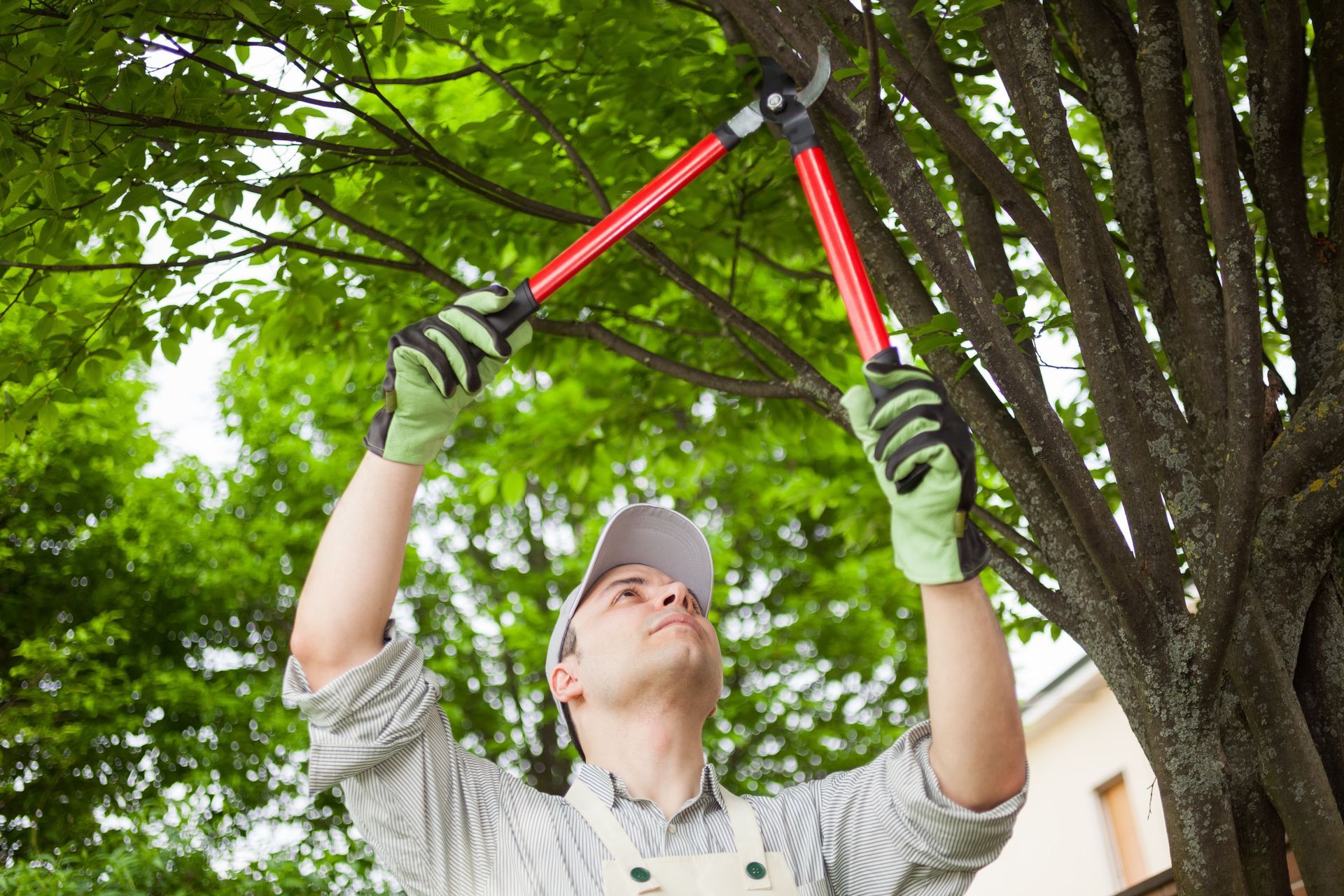
Selective pruning can improve the arrangement of branches and reduce crowding where appropriate. Removing dead wood also addresses material that no longer contributes living foliage to the canopy. When diseased growth is present, an arborist can evaluate what trimming may accomplish and whether the condition requires further consideration. The work should follow the tree's actual condition rather than assumptions based on appearance.
Thoughtful tree trimming also takes species, age, and existing growth patterns into account. A young tree developing its framework has different needs from a mature shade tree. Matching the work to those differences supports healthier development while limiting unnecessary disturbance. This individualized approach helps preserve the living structure homeowners want to retain, giving the tree room to develop in a form suited to its characteristics.
Improving Structure and Reducing Branch Hazards
How branches connect and grow matters as much as how full a tree looks. Weakly attached limbs, damaged sections, and poorly arranged growth can create concerns around homes, driveways, or outdoor gathering areas. Structural pruning addresses those relationships with attention to the tree's overall form.
An arborist considers both the branches and what surrounds them. A weak limb above a frequently used walkway presents a different concern from similar growth over an unused portion of the property. Evaluating location helps establish priorities and gives homeowners a clearer understanding of why particular work is recommended.
Professional tree trimming can reduce certain branch-related risks by removing dead, damaged, or weak growth when appropriate. That does not make a tree immune to severe weather, but it addresses conditions that deserve attention before a storm. The benefit is a more deliberate approach to managing the tree's structure, with decisions based on what is present. Regular assessment also gives professionals opportunities to recognize changes that may affect future maintenance needs.
Creating Clearance Around Everyday Spaces
Branches can gradually change how a property functions. Growth that once stayed comfortably above a path may begin interfering with movement, while limbs near a building can crowd the space around its exterior. These changes often happen slowly enough that the inconvenience becomes familiar before it receives attention.
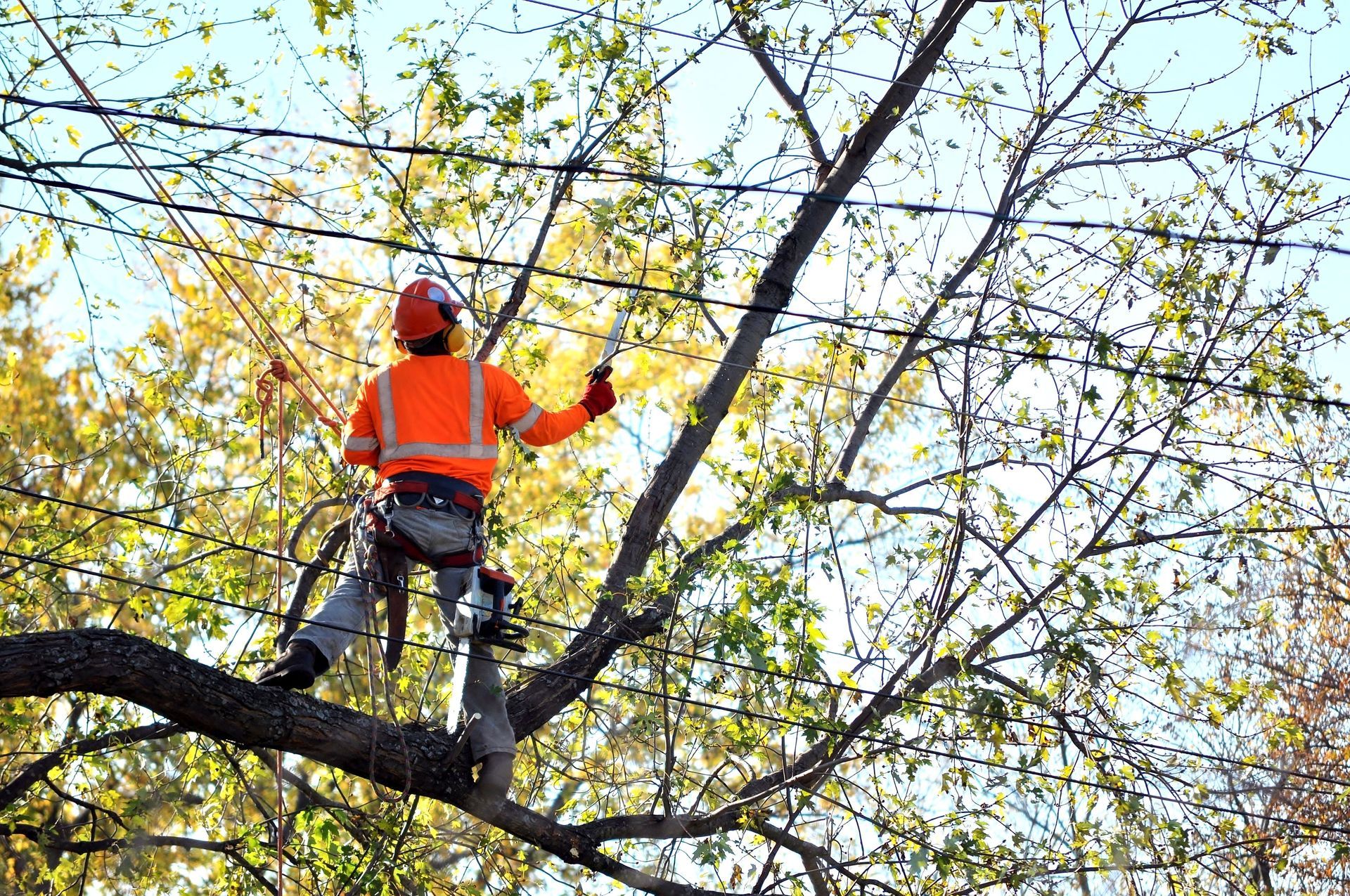
Clearance pruning helps restore an appropriate relationship between trees and nearby features. The work can address branches around buildings, access areas, and other spaces where growth conflicts with daily use. Crown reduction may also be appropriate in certain situations, with the method selected according to the tree and the reason for limiting its spread.
Planning tree trimming around those practical concerns helps keep outdoor areas usable while retaining the tree's presence. A clearer route to an entrance or more open space beside a structure can make the landscape feel easier to navigate. These improvements are particularly useful where mature trees share limited space with existing development. Professional assessment helps connect the desired clearance with an approach that respects the tree's natural form and condition.
Improving Light and Air Movement
A dense canopy influences conditions both within the tree and beneath it. Overcrowded branches can limit sunlight penetration and air circulation. Selective crown thinning can address that density where appropriate, creating a more open arrangement without treating every branch as expendable.
The amount of opening needed depends on the tree and the intended result. An arborist can assess which areas are crowded and how selective pruning may improve the canopy. This is a targeted decision: the purpose is to improve the arrangement of remaining growth while preserving foliage that contributes to the tree's health and character.
Changes in canopy density can also affect how the space below feels. A garden or seating area may benefit from a better balance between shade and filtered light, depending on its use. That balance gives the pruning plan a clear purpose beyond making the canopy look less dense.
Fruit-bearing trees give this benefit another practical dimension. Appropriate pruning can improve light exposure and support fruit production and quality. Timing, species, and the tree's condition all influence what work is suitable, making an individualized plan important. Homeowners interested in fruit tree care can discuss those goals with a professional alongside the tree's broader maintenance needs. The result is care directed toward the way that particular tree grows and produces, rather than a uniform approach applied across the entire yard.
Bringing Definition to the Landscape
Trees contribute shape and scale to a property, often providing its largest and most noticeable living features. Unbalanced or crowded growth can obscure those qualities. Shaping and ornamental pruning help clarify a tree's appearance while respecting the form that makes it distinctive.
For ornamental trees, the relationship with surrounding planting and architecture can be especially important. A carefully considered canopy may frame an entrance, complement a garden, or create a more balanced view of the property. Vista pruning can address selected sightlines where branches interrupt a view, allowing the work to respond to a specific visual goal.
These changes can make a landscape feel more intentional without requiring every tree to look alike. A graceful ornamental specimen and a broad shade tree contribute different kinds of character. Professional care works with those differences, considering how each tree relates to the setting. The visual benefit comes from revealing that relationship more clearly, so the tree continues to feel like an established part of the property as it grows.
Gaining the Benefit of Professional Judgment
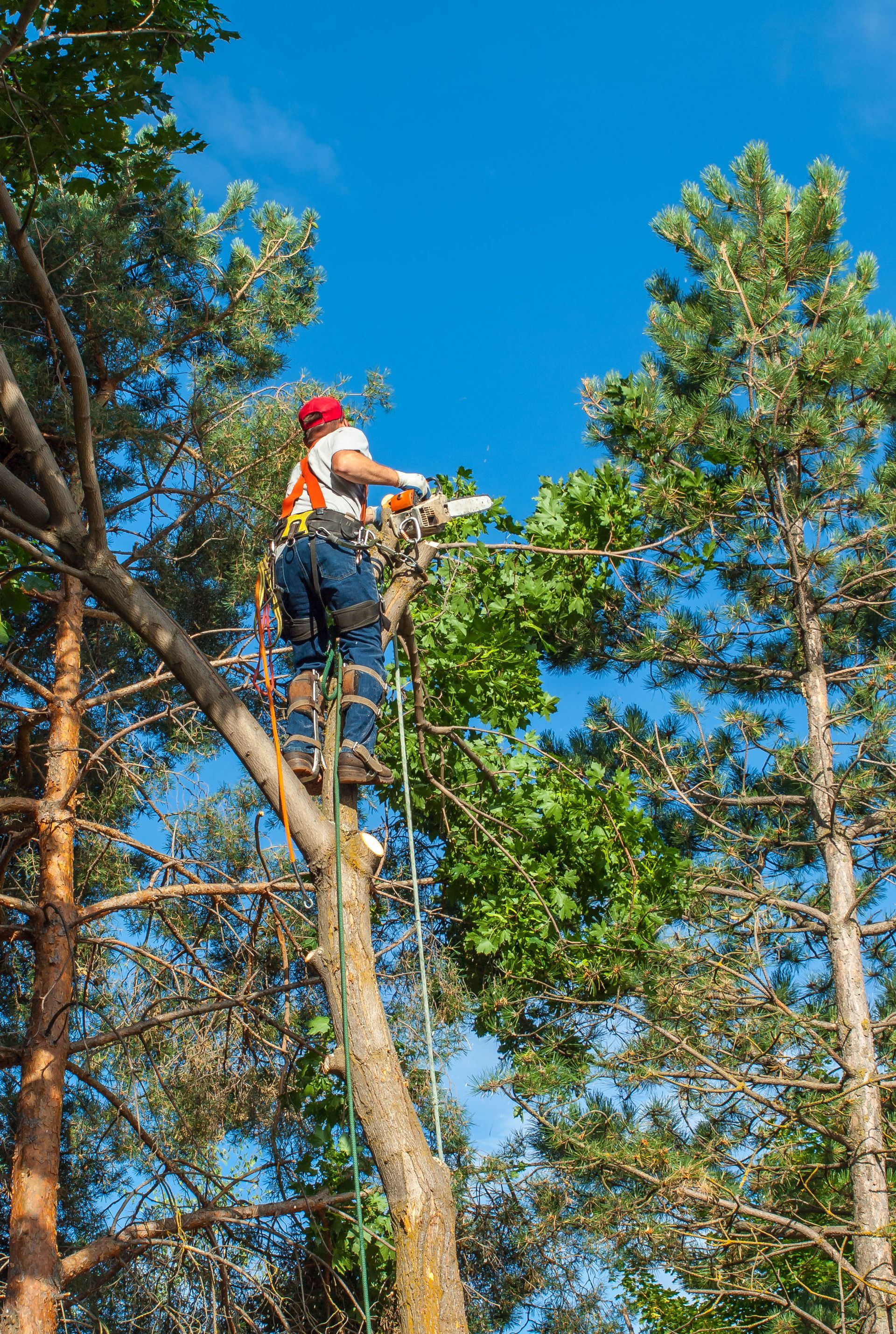
Professional tree trimming combines knowledge of growth with demanding physical work. According to the Tree Care Industry Association, approximately 63,700 people worked as tree trimmers and pruners across the United States in 2023. For homeowners, the value of that professional involvement includes understanding which branches should remain as well as which should be removed.
An assessment considers growth patterns, seasonal timing, overall health, and nearby structures. Those factors shape the choice between thinning, structural work, clearance pruning, or another appropriate method. Even similar-looking trees may need different care because of their age, location, or condition.
The practical work also requires planning around the property. Professional crews evaluate potential hazards and use appropriate equipment to manage branches and debris near surrounding features. This connects the intended benefits with the way the job is carried out. An arborist's guidance can also help establish an appropriate maintenance schedule, keeping future decisions tied to changes in the tree rather than an arbitrary routine.
Well-maintained trees can remain defining features of a property as both the landscape and its everyday use evolve. Purposeful care helps preserve that relationship through decisions grounded in each tree's needs. At Tree Service Now, Inc, we approach tree trimming with attention to tree health, structure, and the surrounding property. Contact us to discuss the care appropriate for your trees.