April 13, 2026
Understanding when a tree poses a risk to your property is crucial for maintaining safety and preventing potential damage. Trees, while beneficial in many ways, can become hazards due to various factors. Keep reading to equip yourself with the knowledge to identify these dangers and take appropriate action with emergency tree removal.
Broken or Dead Branches
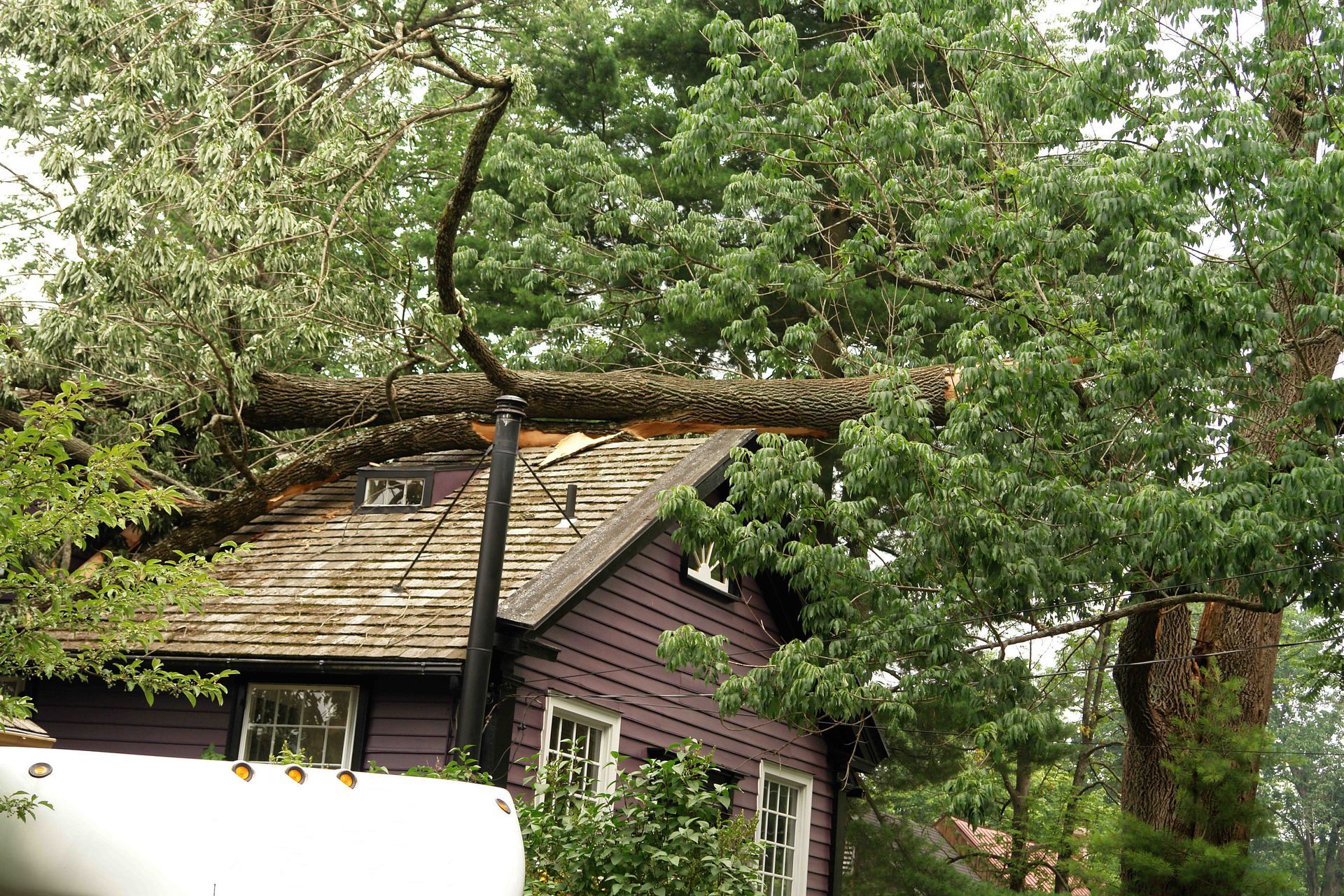
Recognizing broken or dead branches is a primary step in assessing potential tree hazards. Dead branches are more likely to fall, especially during adverse weather conditions, posing a risk to property and individuals. Such branches often appear dry, brittle, and devoid of foliage, distinguishing them from healthy parts of the tree. Regularly inspecting your trees for these signs can help prevent incidents before they occur. With routine checks, property owners can better manage and mitigate risks associated with tree damage.
Detecting dead branches is easier during the growing season when healthy branches display vibrant leaves. During this time, branches that fail to leaf out or that lose leaves prematurely may be cause for concern. In the winter months, the assessment involves comparing the texture and flexibility of branches. Dead branches will typically be brittle and may break with minimal pressure. This kind of vigilance is crucial, as broken branches are common reasons for property damage.
Regular pruning of dead branches not only ensures safety but also promotes tree health. By removing these parts, resources are redirected to healthier sections, improving growth and vitality. Tree care programs, according to Market Growth Reports, have contributed significantly by removing approximately 480,000 hazardous trees in 2023, showcasing the importance of proactive maintenance. This reflects a growing awareness of tree management's role in property safety. Embracing regular inspections and maintenance can effectively minimize risks associated with broken branches.
Exposed Roots
Exposed roots can signal a tree's structural instability, making them a vital component in hazard identification. These roots can surface due to soil erosion or improper planting techniques, increasing the likelihood of the tree toppling during storms. Inspecting the base of a tree regularly for exposed roots allows for early intervention. Addressing these issues promptly with emergency tree removal prevents further soil erosion and stabilizes the tree. It's essential to consult with a tree care professional if significant root exposure is detected.
Exposed roots can also result from frequent foot traffic or construction near the tree, compacting the soil and reducing its ability to support the tree. This compacted soil can inhibit water infiltration, exacerbating stress on the tree and compounding issues related to root exposure. When these roots dry out, it weakens the tree's anchorage, increasing its vulnerability to falling. Addressing footpaths and construction proximity can alleviate root exposure and promote better health of the tree. Proactive measures can help prevent trees from becoming hazardous and needing emergency tree removal services.
Preventative soil treatments and barriers can help protect against root exposure. Applying mulch around the base of the tree can retain moisture and shield roots from temperature extremes. With these steps, the potential safety hazards posed by exposed roots can be managed more effectively. Checking soil conditions regularly around trees and addressing any adverse findings promptly is crucial. Proper soil management is integral in preventing tree-related risks caused by root exposure.
Cracks in the Trunk
Cracks in a tree's trunk can compromise its structural integrity, making it prone to failure. These fissures often result from physical damage or are a symptom of an underlying health issue. Left untreated, cracks can deepen, leading to a split trunk, significantly increasing the risk of the tree collapsing. Recognizing these symptoms early allows for potential interventions, such as bracing or strategic pruning. Regular observation and timely action are crucial to prevent potential risks to property from trunk cracks.
Cracks often develop in response to environmental stressors, such as heavy winds or abrupt temperature shifts. The physiological stress from these factors can cause the tree to split, disrupting both structural integrity and nutrient flow. It is essential for property owners to monitor and evaluate these signs to prevent deterioration. Consulting with an arborist can assist in determining if the tree can be saved or if emergency tree removal is the safest option. Understanding these dynamics helps mitigate risks associated with cracked trunks.
Structural assessments by professionals can provide insight into cracks that are not immediately visible. Advanced techniques, such as decay detection devices, are utilized to ascertain internal damage in the tree. Proactive tree management, facilitated by regular professional evaluations, can significantly reduce the likelihood of hazardous outcomes. This approach ensures safety while providing a comprehensive understanding of the tree's condition. Addressing trunk cracks promptly can promote longevity and reduce safety risks to the property.
Leaning or Unstable Postures
Trees that lean excessively or have unstable postures can pose a serious hazard to property, potentially necessitating emergency tree removal. A slight tilt is normal, especially for taller trees, but sudden or pronounced leaning might indicate root damage or failing structural integrity. Such leanings often suggest that the tree has been compromised, either through environmental factors or disease. Monitoring any changes in a tree's posture is essential to identify potential threats early. Addressing this early can prevent potential safety hazards from escalating.
If a tree begins to lean suddenly, an immediate assessment is necessary. Environmental factors like storms can cause roots to become dislodged, exacerbating the issue. A stable tree will have evenly distributed weight and no disconcerting gaps in the soil at the base. Abrupt shifts in the tree's orientation often require immediate intervention to prevent accidents. Consulting with a tree professional can help determine if the tree can be stabilized or if emergency tree removal is the safer option.
Implementing preventive measures, such as support systems, can help stabilize trees that are at risk of leaning. These measures, alongside proper care practices, can help extend the lifespan of the tree. Proactive actions, such as using cabling systems to provide supplementary support, can mitigate the risk of falling. Understanding these management techniques fosters a proactive approach to minimizing hazards linked to leaning trees. Evaluating the posture of trees regularly is a best practice for maintaining safety.
Signs of Decay or Rot
Decay or rot within a tree can severely undermine its strength and stability, making it a significant hazard. These conditions often result from fungal infections or prolonged exposure to moisture. Detecting and addressing decay in its early stages can prevent tree failure and associated damage. Fungal fruiting bodies or mushroom growth on or near a tree is an indicator of internal decay. Regular health checks can prevent these conditions from developing into serious structural issues that require emergency tree removal.
The inner decay often goes unnoticed until the tree shows external symptoms like cavities or a soft trunk. Vigilance in spotting these signs can lead to early intervention, conserving tree health and safety. When trees are subjected to continuous environmental stressors, their resilience decreases, promoting decay. Regular assessments to identify symptoms of decay are crucial in maintaining a tree's health and stability. Decay management is an essential aspect of mitigating tree-related hazards.
Professional arborists can perform decay assessments to evaluate the extent and impact on a tree's stability. Interventions such as securing the tree or managing fungal growth can prevent further deterioration. Safe management practices, guided by professional evaluations, can significantly increase a tree's safety and longevity. Understanding and acting on signs of decay can greatly enhance property safety. Routine monitoring is crucial to preemptively address and rectify decay issues before you need
emergency tree removal.
Recognizing the warning signs of hazardous trees is an essential part of protecting your property and the people around it. From broken branches and exposed roots to trunk cracks, leaning postures, and internal decay, each indicator provides valuable insight into a tree's stability and overall condition. Ignoring these signs can allow minor issues to develop into serious safety concerns over time. Regular inspections, combined with timely professional evaluations, help reduce the likelihood of unexpected tree failures. By staying proactive and informed, property owners can maintain safer outdoor spaces while supporting the long-term health of their trees. Contact Tree Service Now, Inc today to get started.