April 24, 2026
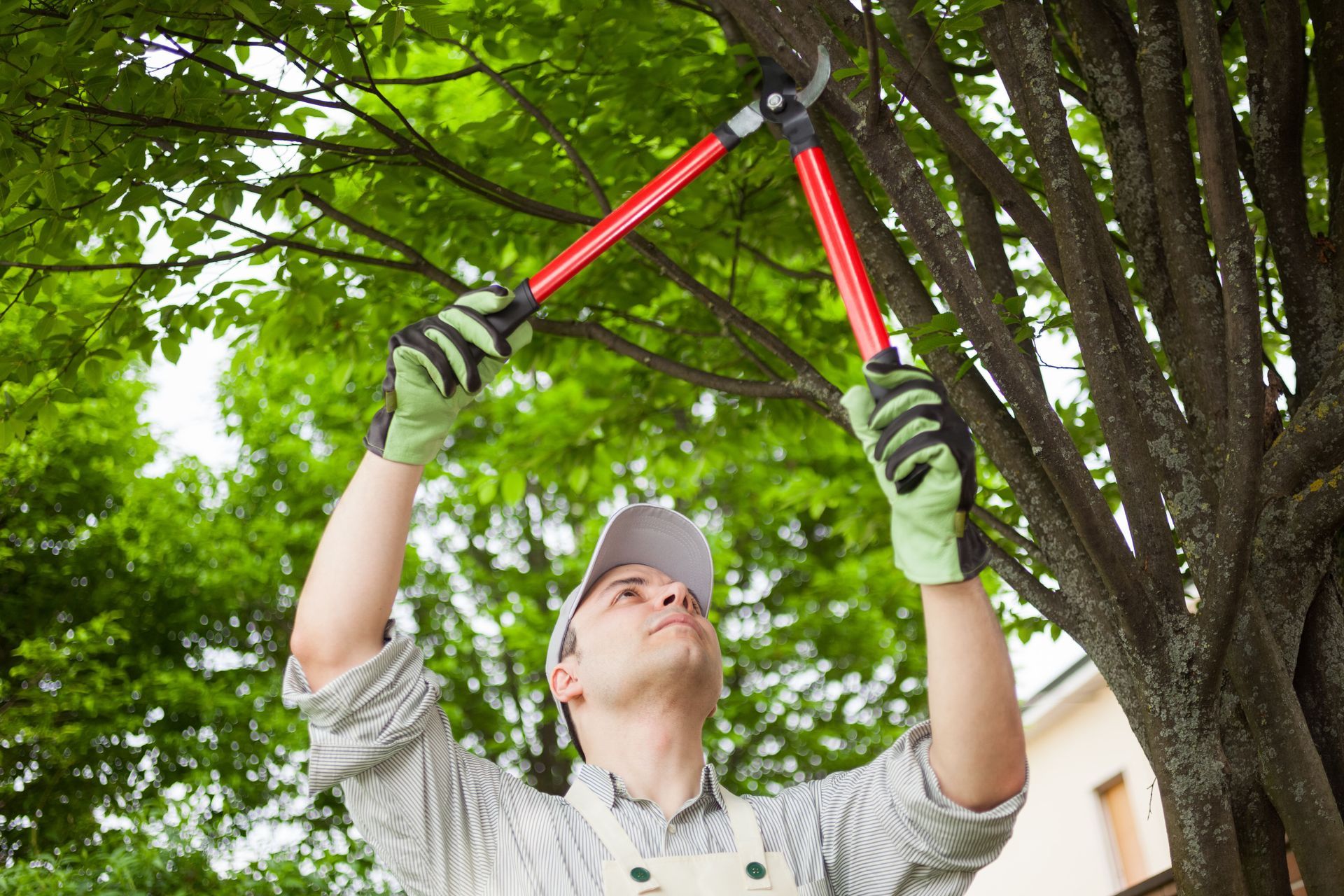
Tree cabling and bracing are valuable techniques for maintaining the stability and longevity of trees that show signs of structural weakness. Whether caused by natural growth patterns, storm damage, or environmental stress, weakened trees can present risks to surrounding property and people if left unaddressed. Through thoughtful intervention, these support systems help reduce strain on vulnerable areas while allowing trees to continue developing in a balanced way. Property owners who invest in professional tree care often find that these methods contribute not only to safety but also to the overall appearance and vitality of their landscapes.
Beyond individual properties, proper support systems play a meaningful role in preserving urban and suburban tree populations. Trees provide shade, improve air quality, and contribute to the character of neighborhoods, making their health a shared concern. Professional tree care services assess each tree's condition and apply solutions tailored to its needs, helping maintain these benefits over time. As awareness grows about the importance of sustainable landscaping, cabling and bracing stand out as practical strategies for extending the life of valuable trees while reducing avoidable hazards.
Recognizing the Need for Tree Cabling and Bracing
Tree weaknesses can develop for a variety of reasons, including biological growth habits, physical damage, and environmental exposure. Some trees naturally form co-dominant stems or develop included bark, both of which create structural vulnerabilities as the tree matures. External factors like heavy snow, strong winds, and saturated soil can intensify these weaknesses, increasing the likelihood of limb failure or trunk splitting. Recognizing these conditions early is central to effective tree care, as it allows for corrective measures before problems escalate.
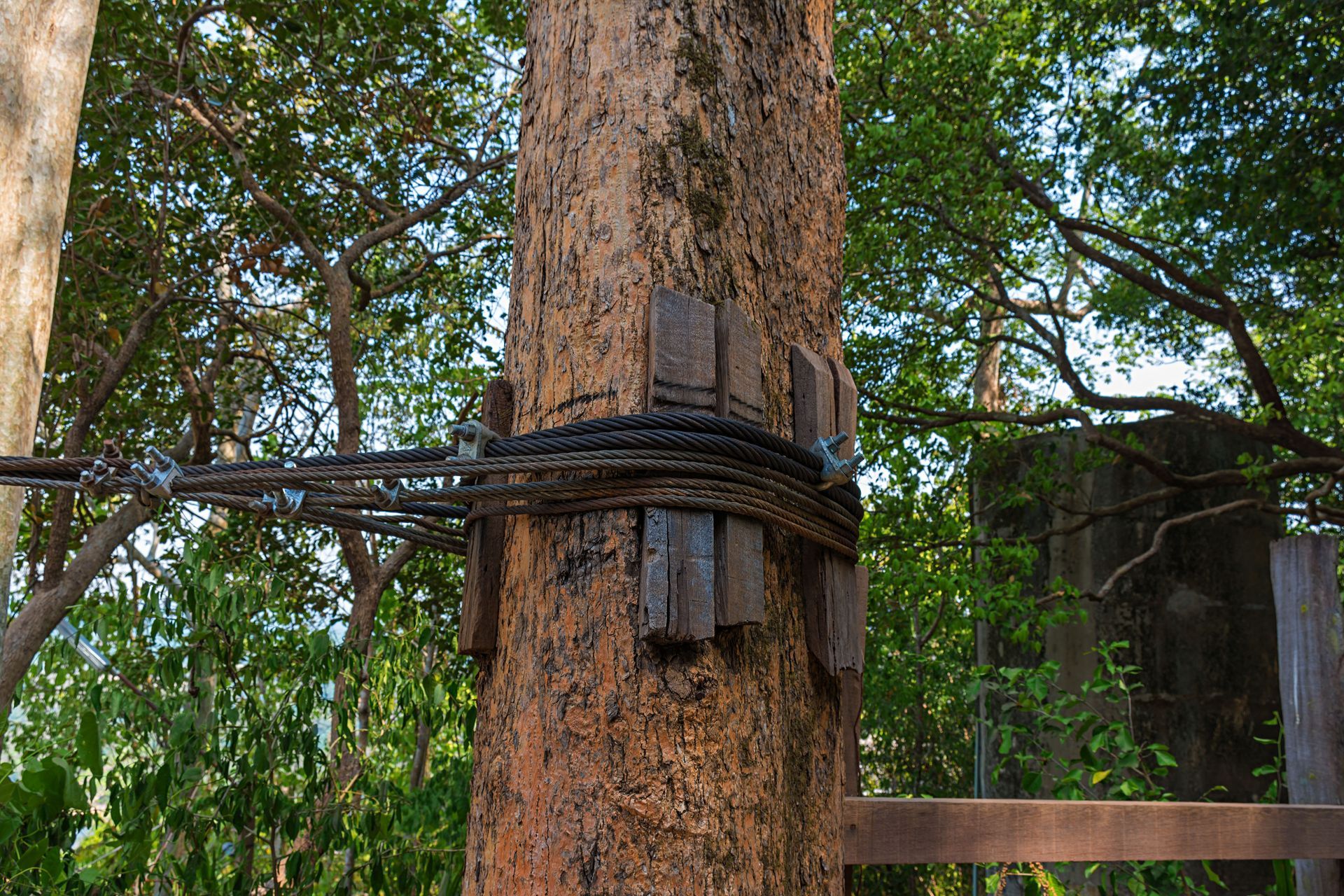
Cabling and bracing provide supplemental support by redistributing mechanical stress throughout the tree. Cabling typically involves installing flexible cables high in the canopy to limit excessive movement between limbs, while bracing uses rods to reinforce weak unions or cracked sections. These systems are designed to stabilize the tree without interfering with natural growth patterns. When applied correctly through professional tree care, they create a balance between support and flexibility, allowing the tree to adapt while reducing the risk of sudden failure.
There are also clear visual indicators that signal when a tree may benefit from these techniques. Cracks in the trunk, limbs extending too far from the main structure, or multiple stems growing at narrow angles are common warning signs. Trees located near homes, driveways, or utility lines deserve particular attention, as any structural failure can lead to costly damage. Routine inspections as part of a tree care plan help identify these issues early, making it possible to address them before they become more serious concerns.
Exploring Types of Tree Cabling and Bracing Systems
Static cabling systems are often used when a tree requires firm and immediate stabilization. These systems use rigid cables to restrict movement between branches or stems, making them effective for trees with significant structural concerns. By limiting motion, static cabling reduces the stress placed on weak attachment points during storms or high winds. However, because these systems offer less flexibility, they must be installed with careful consideration to avoid placing too much strain on specific areas. Professional tree care providers determine proper placement and tension to achieve the intended support.
Dynamic cabling systems, on the other hand, are designed to allow controlled movement while still offering reinforcement. These systems use flexible materials that move with the tree, supporting its natural sway and growth. This approach is especially beneficial for trees that are still developing or those that only require moderate assistance. Dynamic systems promote strength over time by allowing the tree to respond to environmental forces, making them a popular option within modern tree care practices.
Bracing rods are commonly used alongside cabling systems to address more complex structural issues. These rods are installed through weak or split sections of the tree, providing internal reinforcement that stabilizes compromised areas. When combined with cabling, bracing rods create a comprehensive support system that addresses both movement and structural integrity.
Understanding the Benefits of Professional Installation
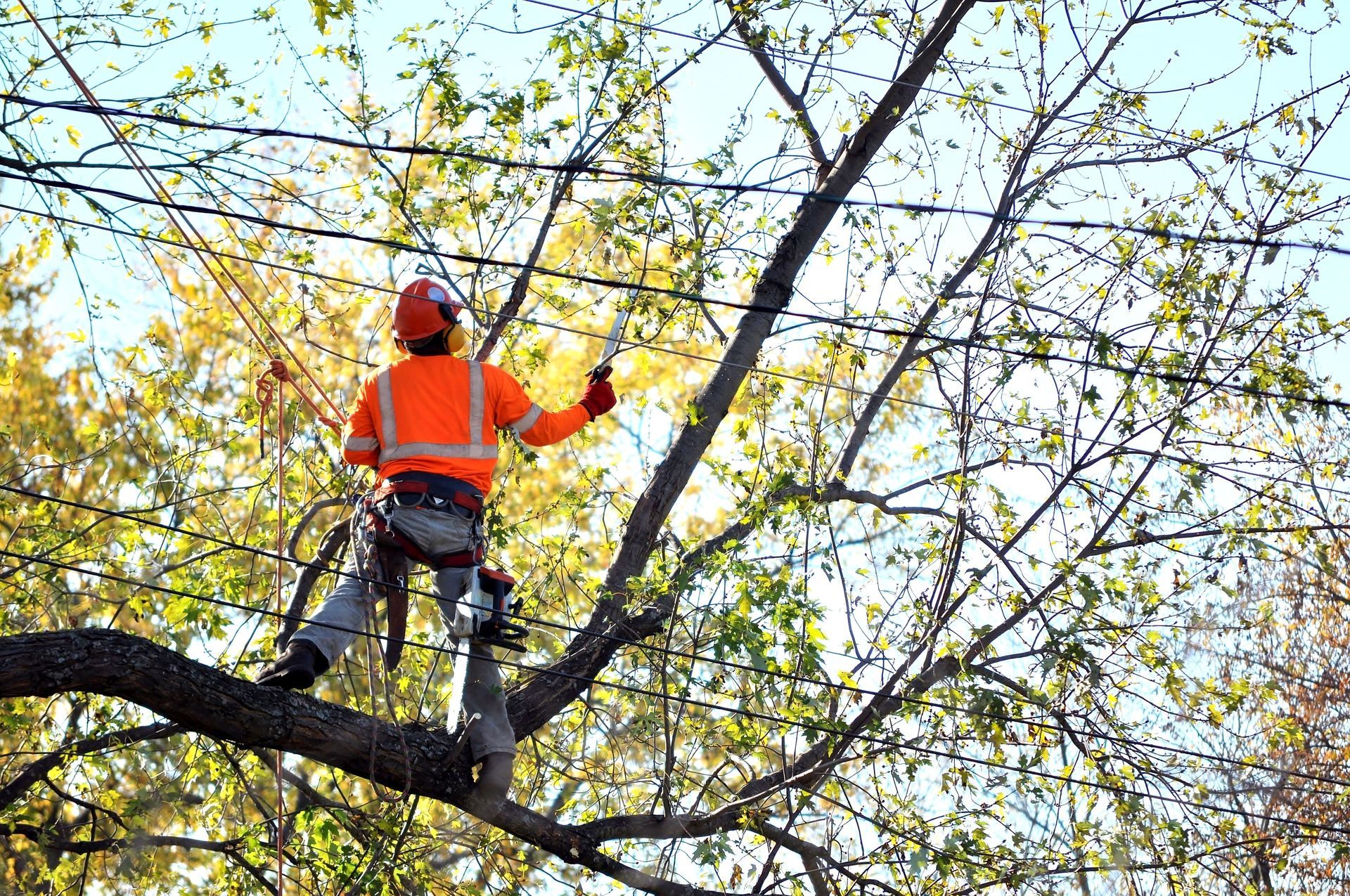
An installation by a professional tree company plays a major role in the effectiveness of tree cabling and bracing systems. Arborists bring specialized knowledge that allows them to assess tree health, identify structural weaknesses, and determine the most appropriate solutions. Proper placement of cables and rods is essential, as incorrect installation can lead to further damage or limit the tree's ability to grow naturally. By working with experienced providers of tree care, property owners gain confidence that the job is completed with attention to both safety and long-term results.
Another key advantage of professional tree care is the reduction of additional risks. Improper techniques can harm the tree's bark, disrupt nutrient flow, or create new stress points that weaken the structure over time. Skilled professionals understand how to avoid these issues while reinforcing the tree's natural defenses. According to the Tree Care Industry Association, the U.S. had around 63,700 tree trimmers and tree pruners in 2023. This highlights the scale of the industry and reflects the growing demand for knowledgeable professionals who can handle complex tree care needs with precision.
Working with professionals also supports ongoing monitoring and maintenance. Trees are living organisms that change over time, and support systems may need adjustments as they grow. Regular inspections help identify when cables need tightening, repositioning, or replacement.
Supporting Environmental and Community Benefits Through Tree Care
Tree cabling and bracing contribute to healthier landscapes by helping preserve mature trees that play a vital role in local ecosystems. Large trees provide shade that reduces heat buildup, improve air quality, and support wildlife habitats. When these trees are stabilized through proper tree care, they continue delivering these benefits for years to come. This is particularly important in urban areas, where tree coverage can significantly influence comfort and environmental conditions.
Communities also benefit from improved safety when weakened trees are reinforced rather than left untreated. Streets, parks, and residential areas become safer when the risk of falling branches is reduced. This contributes to a more enjoyable outdoor environment for residents and visitors alike. Incorporating tree care practices like cabling and bracing into community planning helps maintain green spaces that are both functional and visually appealing.
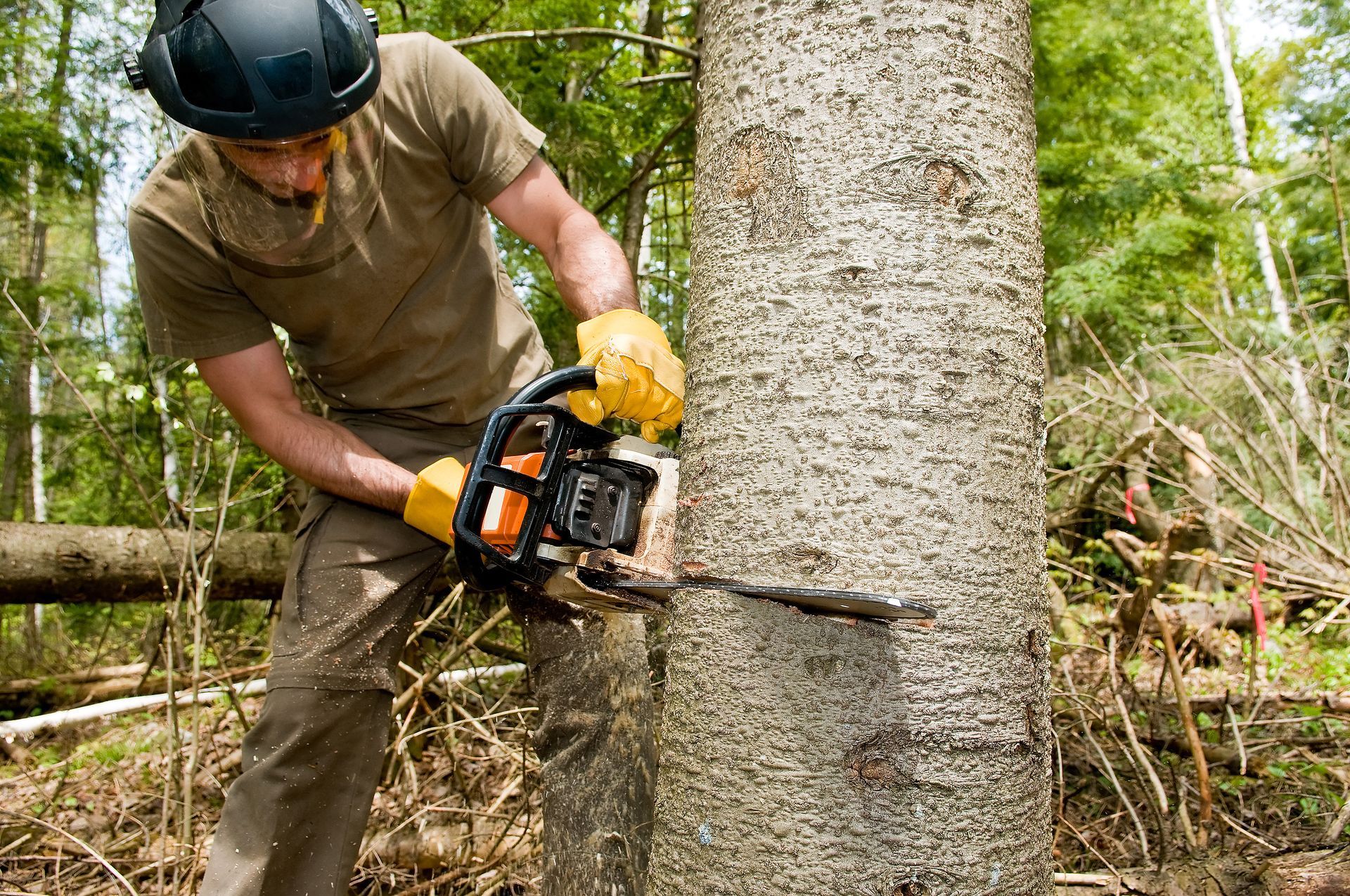
Preserving established trees also reduces the environmental impact associated with removal and replacement. Cutting down a mature tree eliminates years of growth and the ecological advantages it provides. By extending the lifespan of these trees through thoughtful tree care, communities can maintain continuity in their landscapes while supporting sustainability efforts. This approach reflects a broader commitment to responsible land management and environmental stewardship.
Professional tree cabling and bracing provide a practical solution for addressing structural weaknesses while preserving the natural beauty and function of trees. These techniques reduce the risk of damage, extend the lifespan of valuable trees, and contribute to safer, more attractive landscapes. By incorporating these methods into a broader tree care strategy, property owners can protect their investment while supporting environmental health and community well-being.
Taking action early can make a meaningful difference in the outcome for weakened trees. Working with knowledgeable professionals allows for tailored solutions that align with each tree's unique needs. If you have trees showing signs of stress or structural concerns, now is a good time to explore your options. Reach out to a local provider of
tree care services to schedule an evaluation and take the first step toward strengthening and preserving your landscape for years to come.