March 25, 2026
Caring for trees goes far beyond occasional yard work—it requires a clear understanding of the techniques that support long-term health, safety, and visual appeal. From routine maintenance to more specialized methods, knowing when and how to act can make a significant difference in how your trees grow and respond to environmental stress. Practices like trimming and crown reduction are often discussed interchangeably, yet each serves a distinct purpose in maintaining a tree’s structure and vitality. By learning the differences between these approaches and how they apply to various tree species and conditions, property owners can make smarter, more informed decisions. Whether you’re maintaining a residential landscape or managing a larger property, understanding these core tree care methods is the first step toward preserving the strength and beauty of your outdoor space.
Understanding Tree Trimming
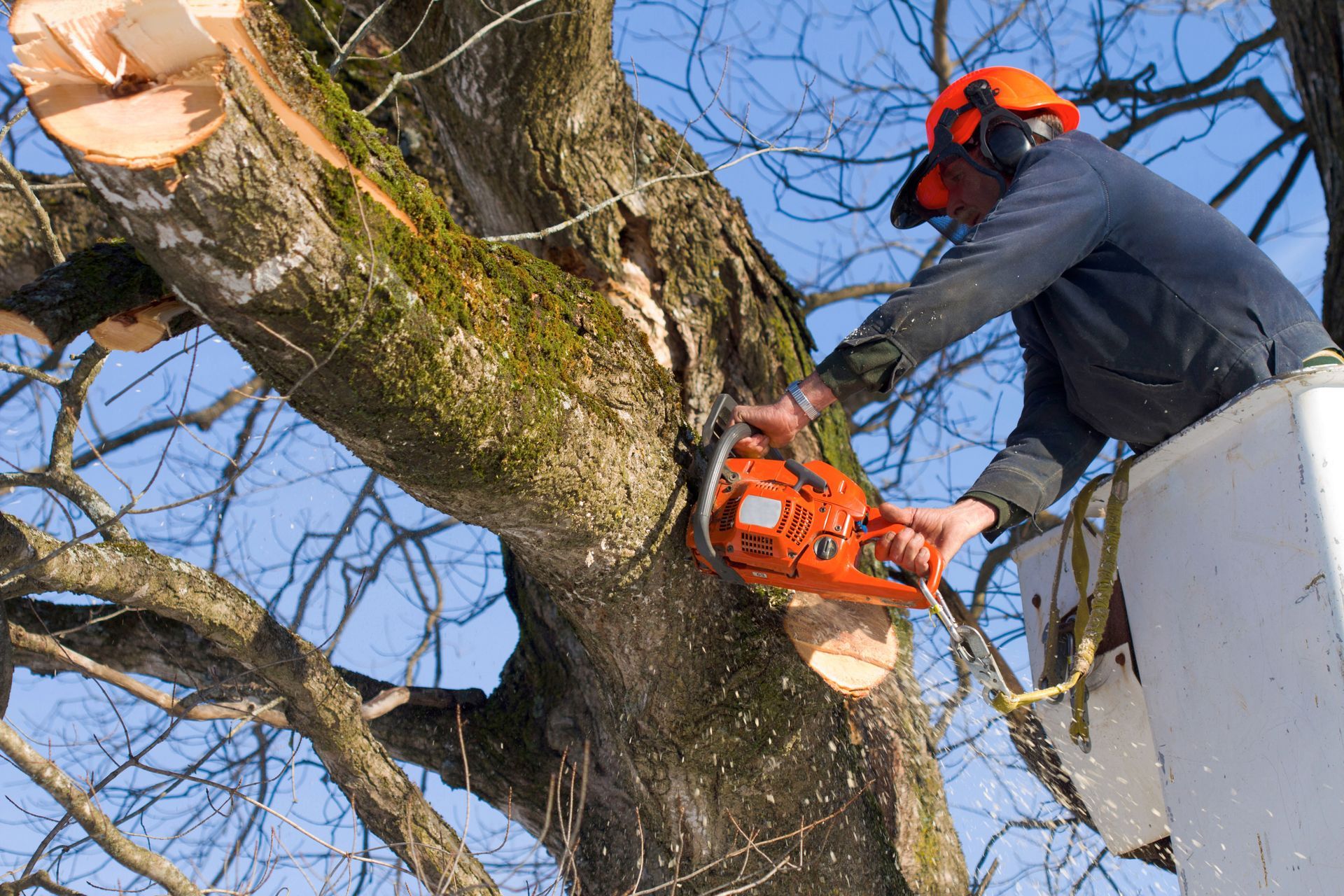
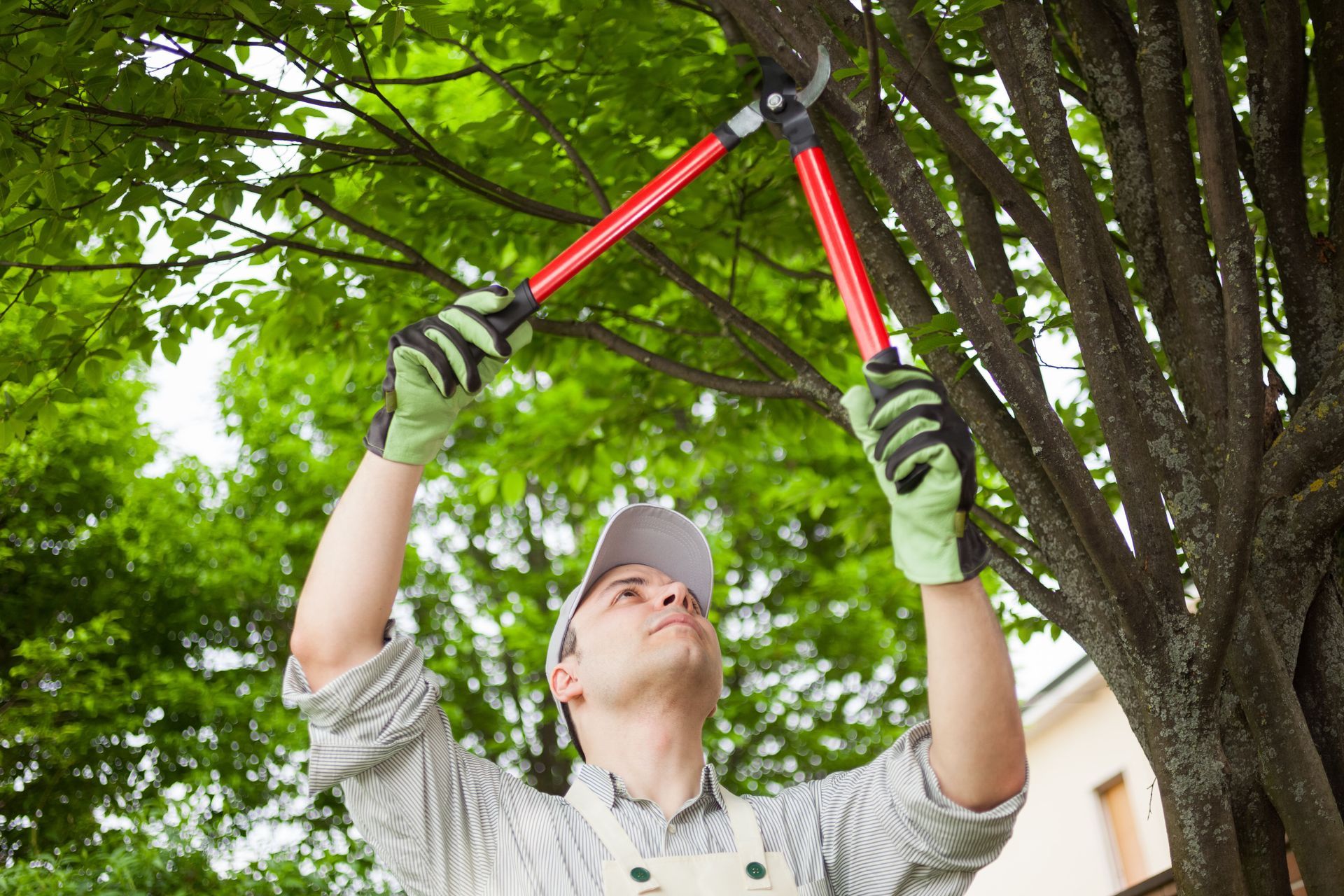
Tree trimming is primarily a maintenance practice that involves removing overgrown or dead branches to promote healthy growth and improve the tree's appearance. This routine task is essential for trees to reach their full growth potential and to enhance the aesthetic value of the surrounding landscape. It is crucial for maintaining a tree's natural form and ensuring that it does not pose a risk to nearby structures or power lines. Skilled trimming also facilitates access to nutrients and aids in the prevention of disease spread within the tree structure. In essence, tree trimming is the foundational pillar to preserving the vitality and beauty of a tree.
Through regular trimming, trees receive better sunlight exposure, which is crucial for photosynthesis and overall health. Enhanced air circulation through a well-trimmed tree helps prevent fungal infections and pest infestations, contributing to a healthier tree ecosystem. Importantly, according to Home & Garden Information Center, regular pruning every two to three years for young trees can help develop strong branch structures, reducing the need for corrective pruning down the line. Furthermore, the aesthetic aspect cannot be overstated; a well-trimmed tree significantly enhances the visual appeal of a property, boosting its market value. The practice of tree trimming constitutes a vital preventive measure against structural issues that could arise if a tree is left unattended.
Exploring Tree Crown Reduction
Tree crown reduction is a pruning technique aimed at reducing the size of a tree's crown without altering its natural shape. This method significantly decreases a tree's height and spread, mitigating the risk of damage during storms and high winds. While it may sound similar to general trimming, crown reduction is more precise, involving the careful shortening of branch lengths rather than wholesale branch removal. This process not only minimizes exposure to stressors but also aids in maintaining a tree's overall natural aesthetics. It is practiced by selectively cutting branches at their junctions to reduce size without compromising tree health.
Crown reduction facilitates improved safety by lessening the likelihood of branch breakage and tree fall during adverse weather conditions. Moreover, it enhances access to sunlight for plants and structures beneath larger trees, creating a balanced environmental interplay. Consequently, crown reduction can improve sightlines and views impacted by dense foliage while supporting a tree's longevity and health. By maintaining the tree's natural form while strategically managing its size, this technique plays a pivotal role in preserving both the environmental and aesthetic aspects of a garden. Structured crown reduction performed correctly lessens future maintenance needs, maintaining a tree's vitality.
Comparative Analysis: Tree Trimming vs. Crown Reduction
While both tree trimming and crown reduction serve the primary purpose of maintaining tree health, their applications in landscape management differ significantly. Tree trimming targets dead, damaged, or overgrown branches for removal, which is beneficial for safety, aesthetics, and increased sunlight exposure. Conversely, crown reduction is more strategic, focusing on reducing a tree's size without altering its essential form. Depending on the species of tree and site-specific conditions, one method may serve better than the other in achieving optimal growth and sustainability. Understanding these nuanced applications significantly impacts the health of landscapes and the longevity of the trees involved.
The impacts of tree trimming versus crown reduction on health can vary depending on application and timing. Regular tree trimming enhances a tree’s resilience against diseases and pest invasions, maintaining its overall vigor. Crown reduction’s precise methods ensure safety without compromising the fullness of the tree's form, promoting recovery and future growth. When both methods are misapplied or performed too frequently, they can result in structural instability and over-stressing of the tree. Therefore, understanding environmental and species-specific factors is critical in determining the best method for maintaining tree health.
Choosing the Right Approach for Your Tree
Understanding the natural tendencies of different tree species is paramount in choosing the right maintenance approach, whether trimming or crown reduction. Some species are more resilient to trimming, while others respond better to precise crown reduction techniques to maintain their structural integrity. For example, certain deciduous trees benefit from seasonal trimming, optimizing their aesthetic and promoting robust growth patterns. On the other hand, trees that grow rapidly or yield heavy foliage might require crown reduction to mitigate the risk of breakage and ensure sunlight reaches lower leaves. Adequate research into species-specific maintenance needs leads to informed decisions and healthier trees.
The current health and age of your tree play crucial roles in determining the best care approach between trimming and crown reduction. Younger trees benefit from routine trimming to develop a strong branch framework that supports future growth without the need for frequent corrective measures. Conversely, older trees with substantial height and foliage might need crown reduction to manage top heaviness and stress-induced damage. Conducting a health assessment helps identify structural integrity issues and informs a care strategy tailored to the tree's stage in its lifecycle. Consideration of health and age guides maintenance decisions, ensuring long-term tree stability.
Common Misconceptions About Tree Maintenance
A common misconception among property owners is conflating trimming with pruning, failing to recognize each practice's distinct role. While both involve the removal of branches, trimming focuses on aesthetics and health, whereas pruning emphasizes structural integrity and disease prevention. Understanding this distinction enhances maintenance decisions, optimizing the benefits gained from each technique. Employing the appropriate method as per the tree's seasonal and developmental needs ensures its long-lasting health and beauty. Educating oneself on these practices' differences is essential for informed, effective tree care.
Another prevalent myth is the belief that crown reduction serves as a universal solution for all tree management challenges. While crown reduction effectively manages size and structural balance, it is not universally applicable across species or growth situations. It should be superseded by a comprehensive assessment evaluating if site conditions and tree health favor this technique. Blind application of crown reduction can inadvertently lead to detrimental outcomes, such as stress or poor regrowth. Recognizing the method's limitations allows for the adoption of appropriate pruning strategies based on an individual tree's needs.
When done correctly, these maintenance techniques not only enhance your property’s appearance but also prevent costly damage and extend the lifespan of your trees. If you’re unsure which method your trees need or want to ensure the job is done right, now is the time to consult a qualified professional. Reach out to Tree Service Now, Inc. today to assess your landscape and keep your trees thriving for years to come.